A field guide to Earth's water
Every drop on Earth, followed from sky to sea.
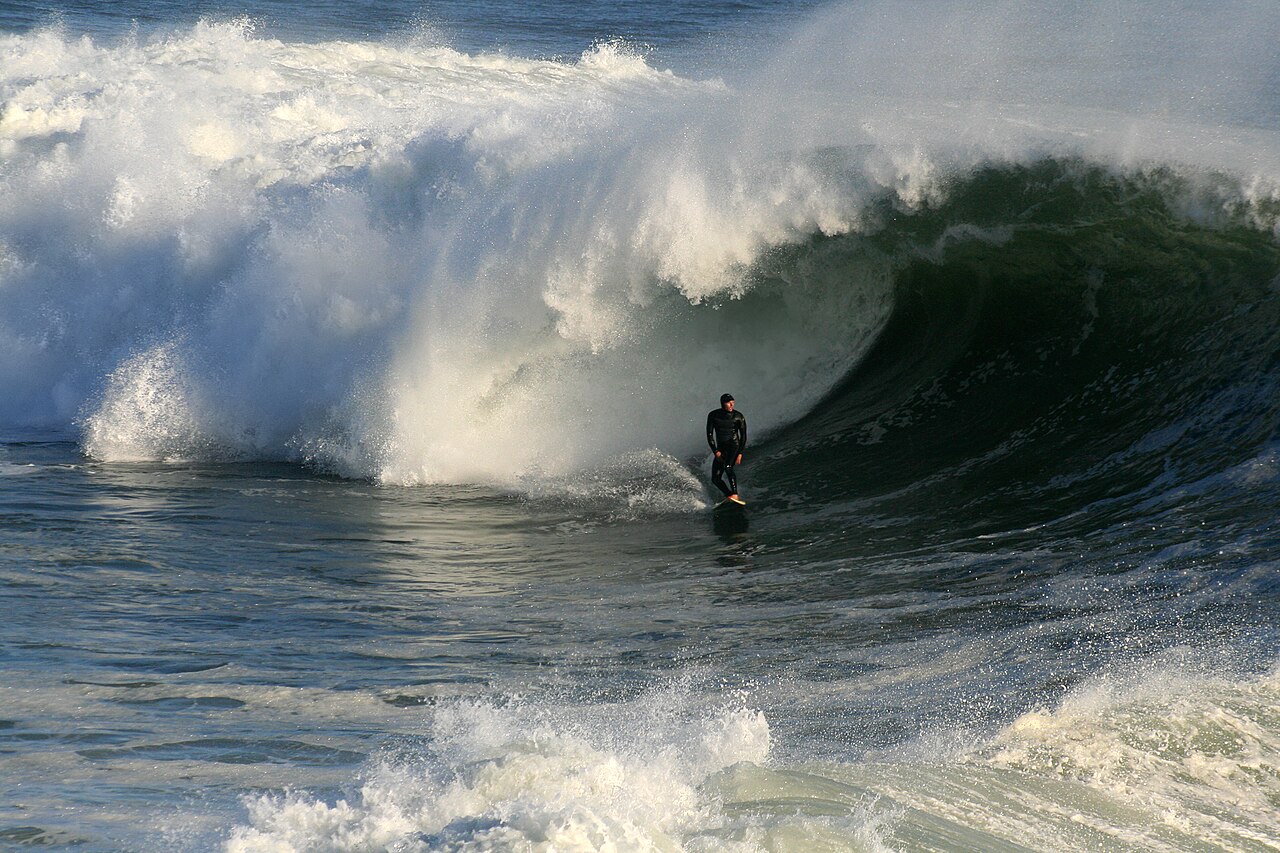
The planet holds 1.386 billion cubic kilometres of water. It has all been here for billions of years — moving between ocean, ice, river and air.
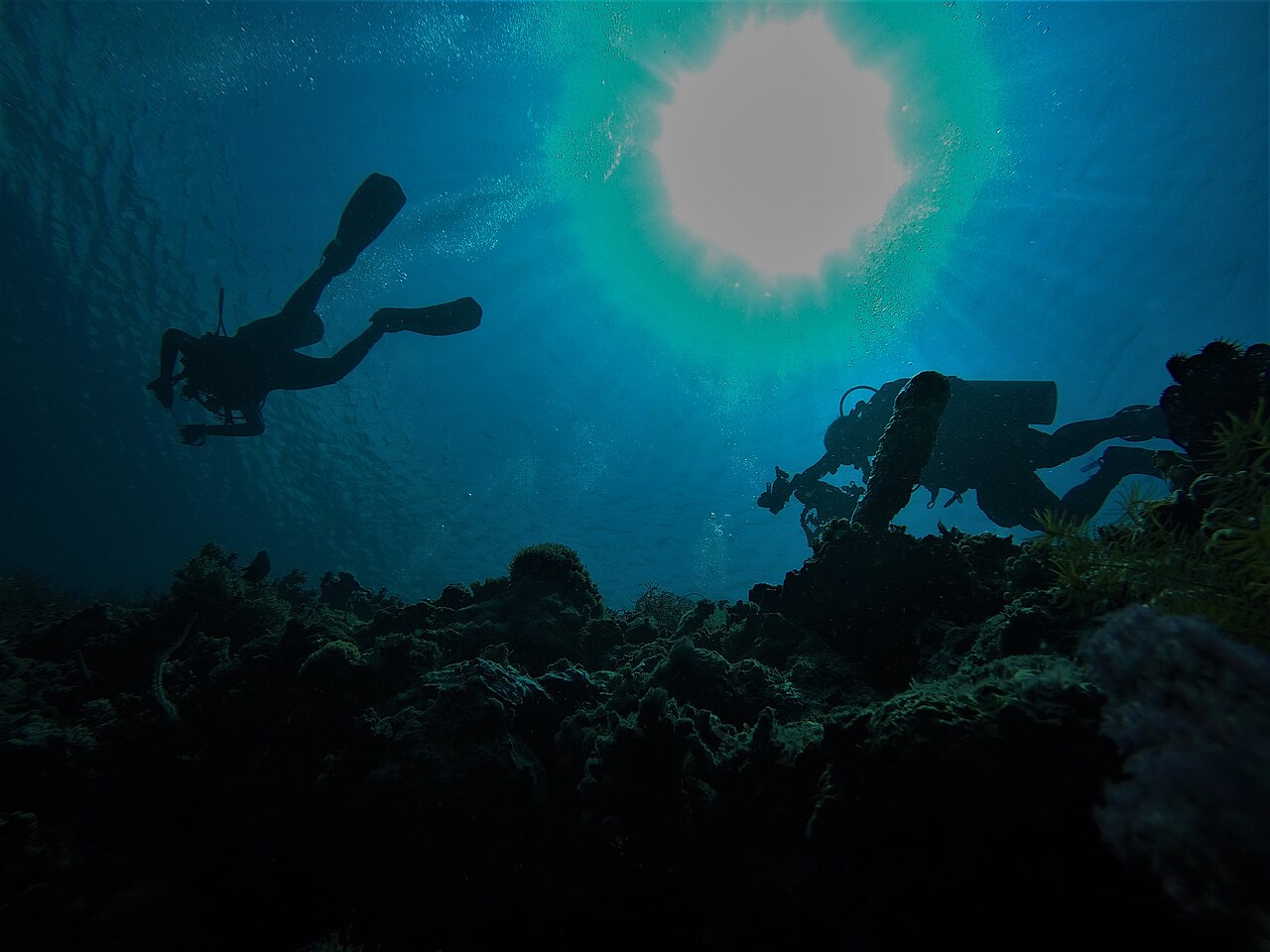
02 Ocean
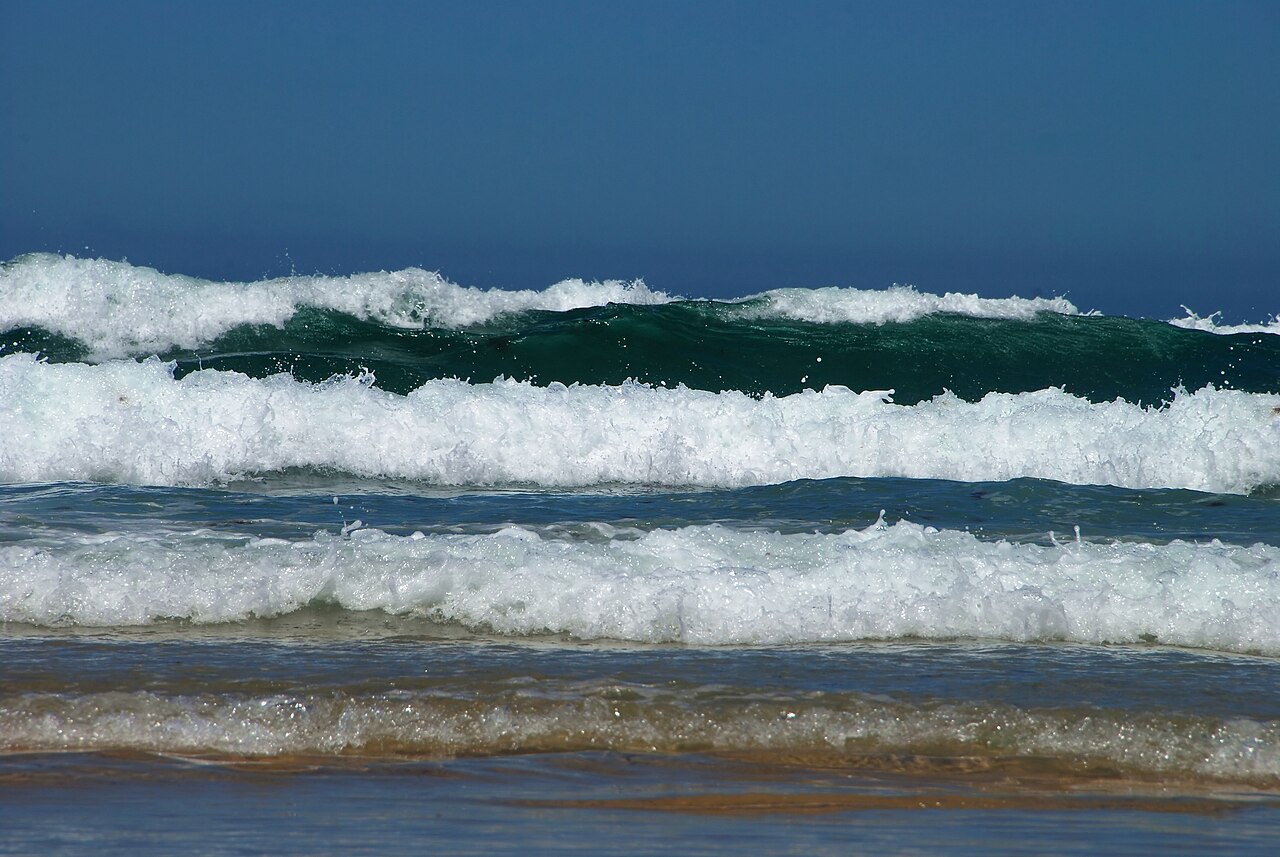
The ocean is the planet's heat store.
- Surface covered
- 71%
- Average depth
- 3.7 km
- Extra heat absorbed since 1971
- >90%
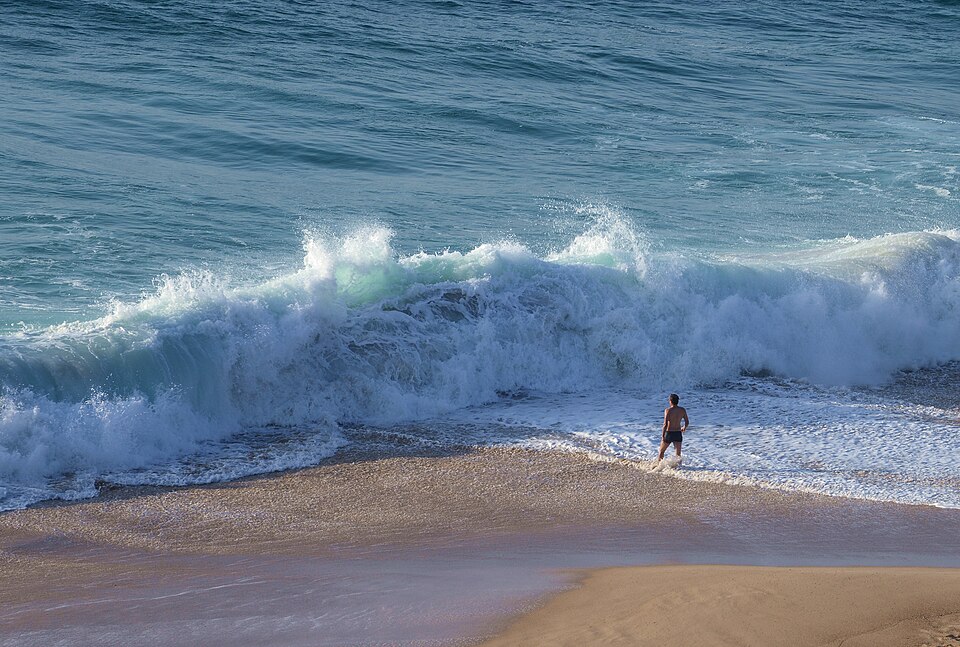
It covers 71% of the surface at an average depth of about 3,700 metres.
Since 1971 it has taken up more than 90% of the extra heat trapped by greenhouse gases — a buffer that is now warming the water itself.
03 Ice
Ice holds two-thirds of the fresh water.
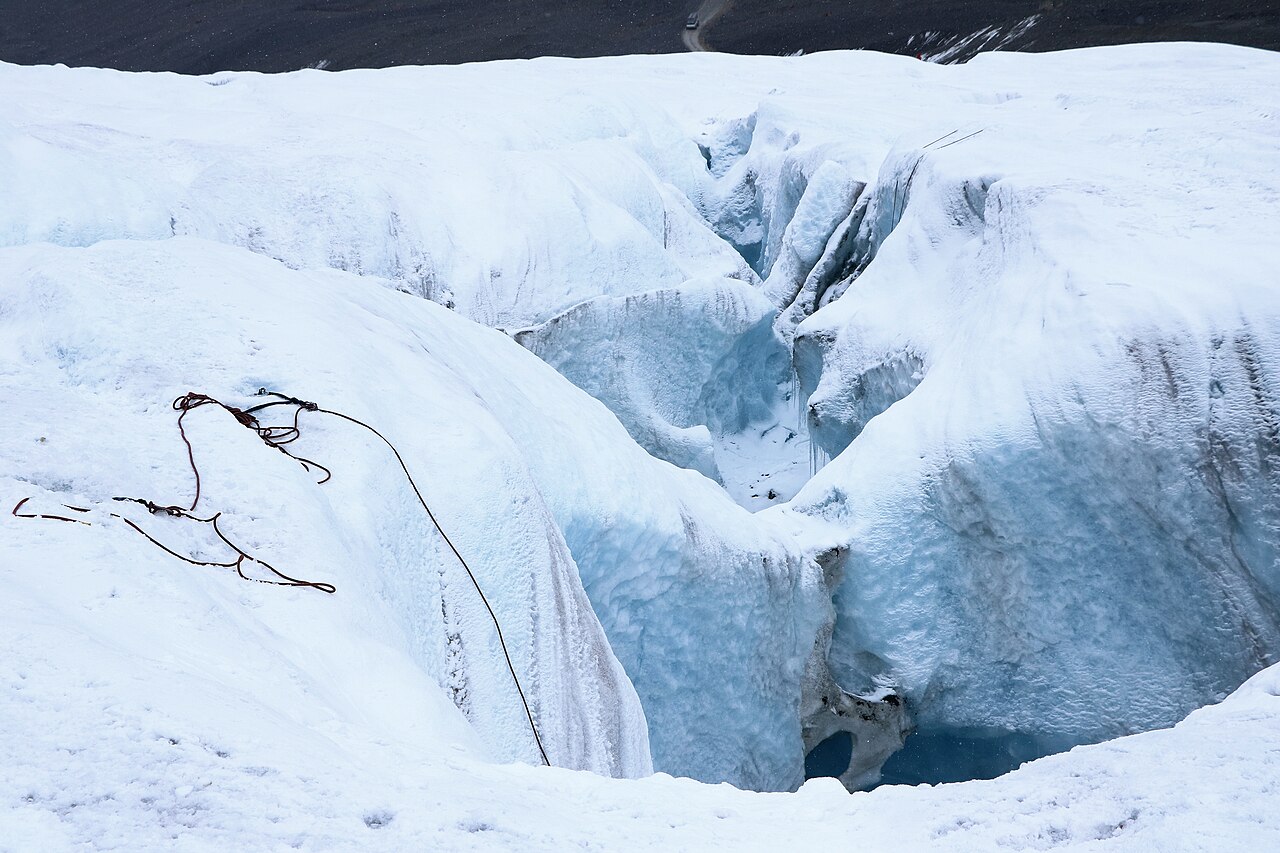
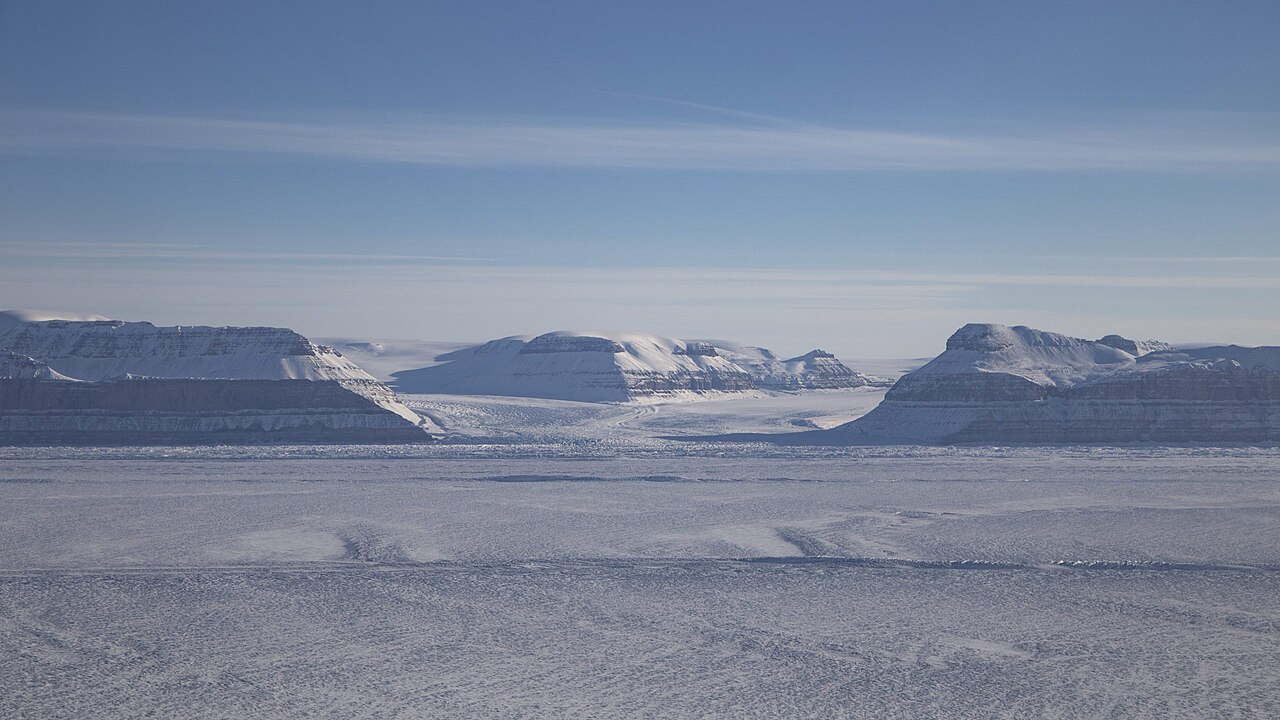
Glaciers and ice sheets lock away 68.7% of Earth's fresh water. If Greenland's ice melted, seas would rise about 7 metres. Antarctica holds enough for 58.
- Greenland, sea-level rise if melted
- 7.4 m
- Antarctica, sea-level rise if melted
- 58 m
- Fresh water held as ice
- 68.7%
04 Rivers & lakes
Rivers and lakes are the 1.2% we see.
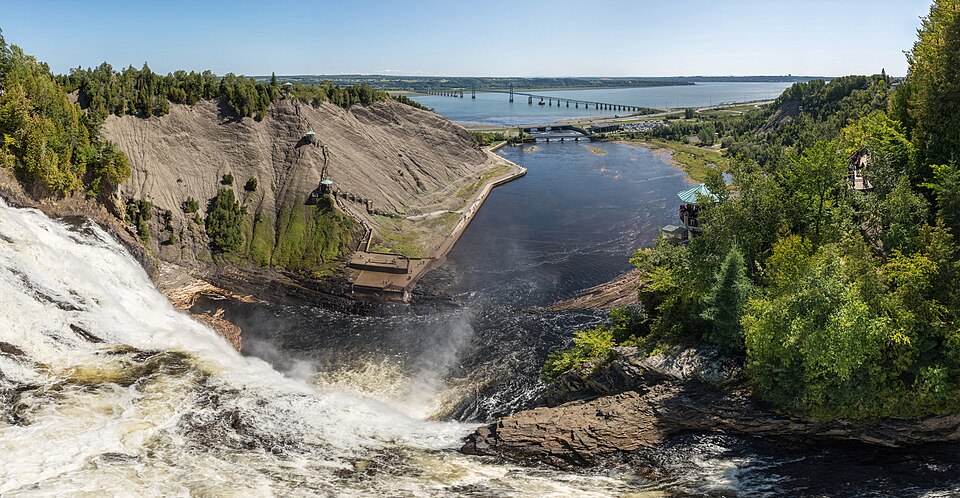
Every river, lake and swamp together holds just over one percent of the fresh water. Yet this thin, fast-moving share feeds most of our cities, farms and power plants.
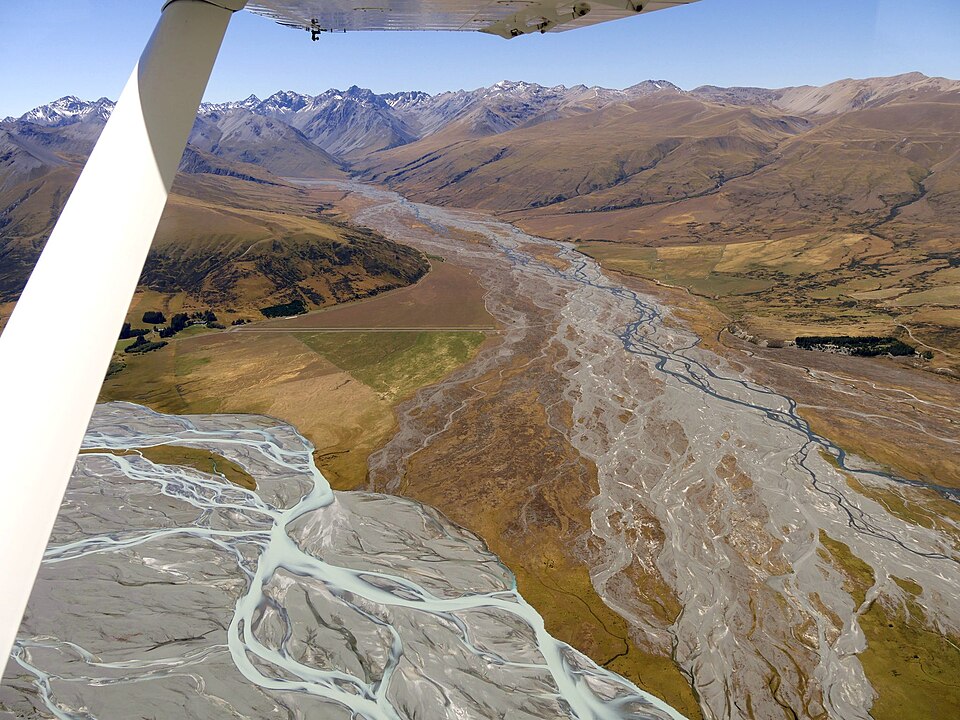
of fresh water is in lakes, rivers, soil and air. It moves fastest — a river renews itself in months.
05 Time
A drop's stay ranges from nine days to 20,000 years.
Average time a water molecule spends in each place before it moves on. The scale is logarithmic — each step is ten times longer.
- Atmosphere9 days
- Soil moisture1–2 months
- Rivers2–6 months
- Lakes50–100 years
- Shallow groundwater100–200 years
- Ocean3,200 years
- Deep groundwater10,000 years
- Antarctic ice20,000 years
06 Up close
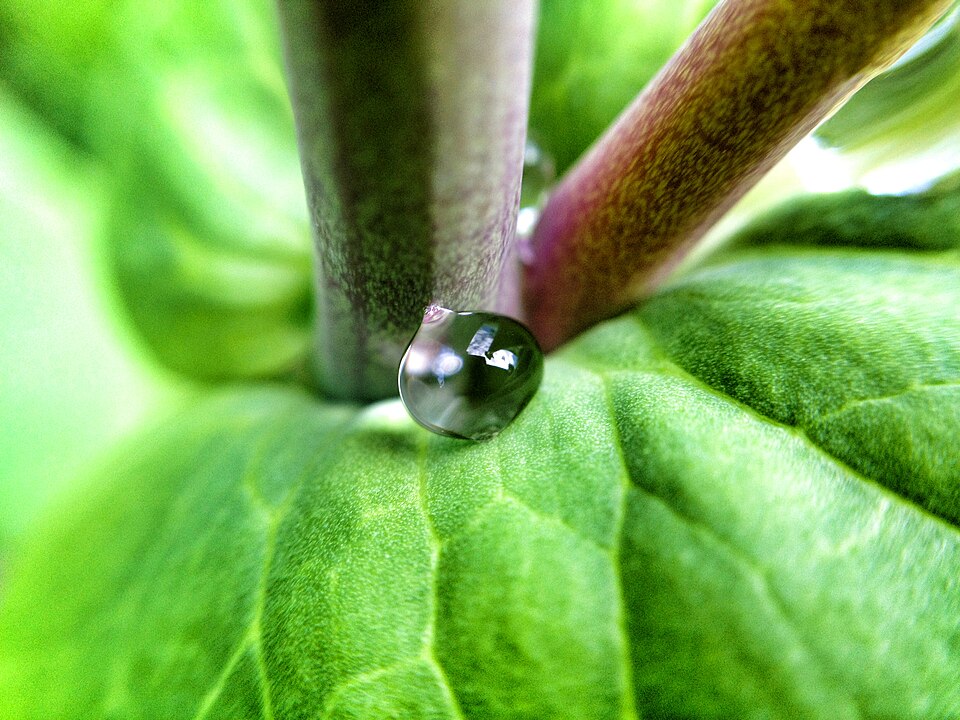
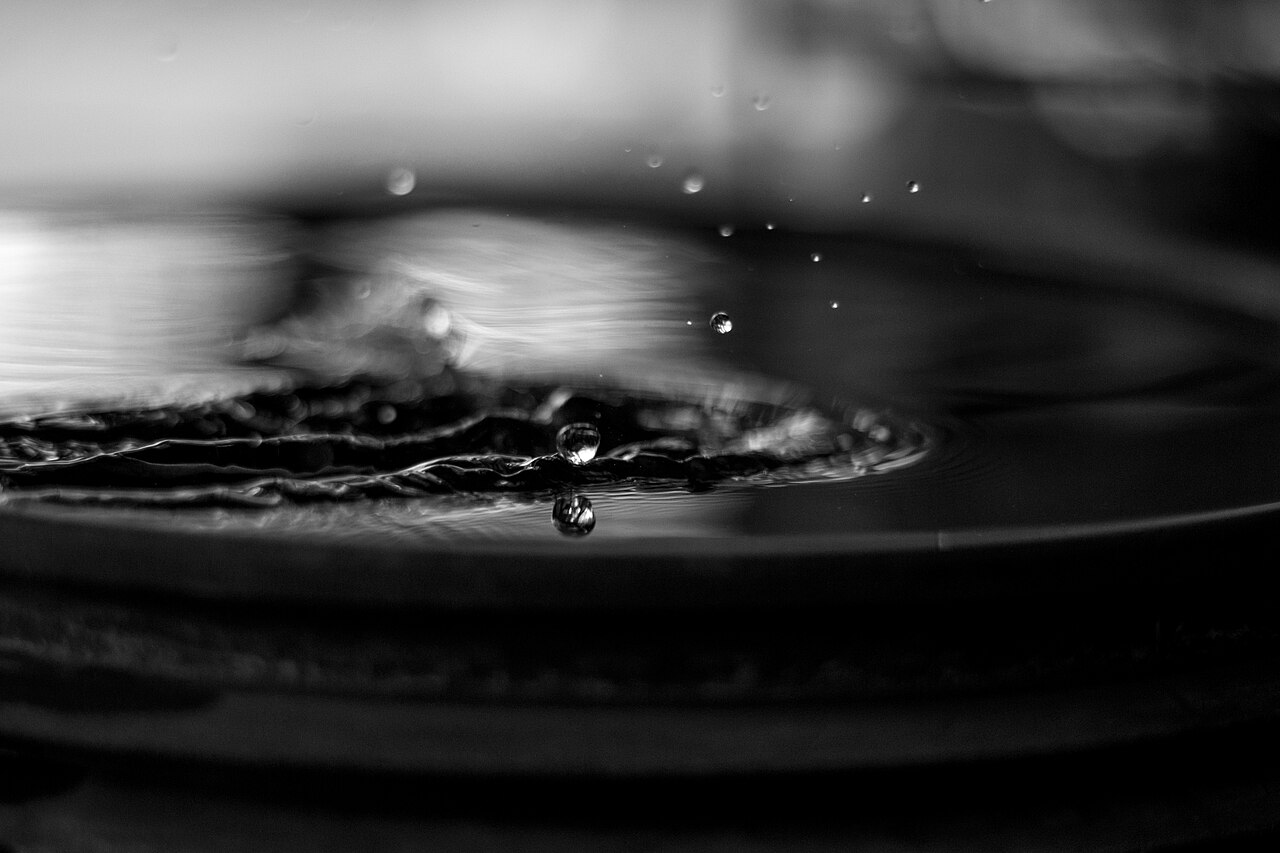
One drop of water holds 1.7 sextillion molecules.
Water is strange. It is densest at 4 °C, so lakes freeze from the top down. Its ice is 9% lighter than its liquid, so it floats. Without those two quirks, life under winter ice could not survive.
1,700,000,000,000,000,000,000
07 Access
2.2 billion people
still had no safely managed drinking water at home in 2022.
The water is not missing — it is unevenly placed, unevenly piped and unevenly clean. Protecting rivers, aquifers and ice is how the next drop stays drinkable.
- People without safe drinking water at home
- 1 in 4
- Without safely managed sanitation
- 3.5 bn
- Still drinking straight from rivers, lakes and ponds
- 115 m